Lawn care is a passion for many homeowners, and nothing transforms your outdoor space quite like a lush, green lawn. But achieving that ideal landscape design requires more than top rated landscaping service just regular mowing and watering. One of the most crucial yet often overlooked aspects of lawn maintenance is aeration and overseeding. This article dives deep into Expert Tips for Effective Lawn Aeration and Overseeding, providing you with the knowledge to enhance your lawn's health, aesthetics, and resilience.
Understanding Lawn Aeration
What is Lawn Aeration?
Lawn aeration involves perforating the soil with holes to allow air, water, and nutrients to penetrate deeply into the roots. This process enables healthier grass growth by alleviating soil compaction. Think of it as giving your lawn a breath of fresh air!
Why is Aeration Important?
Aeration plays a pivotal role in maintaining a vibrant lawn. Compacted soil can restrict root growth and limit access to essential nutrients. By aerating your lawn, you're essentially creating pathways for roots to reach deeper into the ground, facilitating better water absorption and nutrient uptake.
Signs Your Lawn Needs Aeration
Compact Soil: Is your lawn feeling hard underfoot? That's a sign of compacted soil. Poor Drainage: Water pooling on your lawn indicates that it's time to aerate. Thin Grass: If patches of thin grass are popping up everywhere, it’s time for some aeration magic.Types of Lawn Aerators
Mechanical Aerators vs. Manual Aerators
There are two primary types of aerators: mechanical (or power) aerators and manual aerators.
- Mechanical Aerators: Ideal for larger lawns, these machines use rotating tines to pull plugs from the soil. Manual Aerators: Great for small spaces or spot treatments; these devices require physical effort but can be effective nonetheless.
Choosing the Right Aerator for Your Lawn Size
When selecting an aerator, consider your lawn's size:
- For lawns smaller than 5,000 square feet: A manual aerator should suffice. For lawns larger than 5,000 square feet: A mechanical or power aerator will save you time and energy.
Best Time to Aerate Your Lawn
Seasonal Considerations
The best time for aerating largely depends on your grass type:
- Cool-Season Grasses: Early spring or late summer is optimal. Warm-Season Grasses: Late spring through early summer works wonders.
Weather Conditions Matter!
Aim for days when the soil is moist but not soggy—this condition makes it easier to remove those pesky plugs without damaging the grass.
Preparing Your Lawn for Aeration
Mowing Before You Begin
Before you start aerating, give your lawn a good mow. Trim it down to about 2 inches in height—this helps ensure that your aerator can work effectively without obstruction from long grass.
Watering Tips Prior to Aeration
A day before you plan on aerating, water your lawn thoroughly. Moist soil will allow for easier penetration during the process.
Step-by-Step Guide to Lawn Aeration
Gathering Your Tools
Before diving in, make sure you have everything you need:
- An aerator (mechanical or manual) A rake A garden hose or sprinkler system Seed (for overseeding later)
The Process of Aerating Your Lawn
Divide your lawn into manageable sections. Start at one corner and work systematically across your yard. Use overlapping passes with the aerator to ensure even coverage. Follow up with raking up any debris left behind.Expert Tips for Effective Lawn Overseeding
Once you've completed your aeration, it's time for overseeding!
What is Overseeding?
Overseeding involves spreading seeds over an existing lawn to fill in bare spots or enhance density without tearing up the whole yard.
Benefits of Overseeding After Aeration
Aerating creates openings in the soil that enhance seed-to-soil contact—making it far more likely that those seeds will germinate successfully!
Choosing the Right Seed Mix
Consider Your Climate Zone
Selecting a seed mix that thrives in your climate zone ensures successful growth:
- For cooler areas: Choose fescue or ryegrass. For warmer regions: Opt for Bermuda or zoysia grasses.
Seed Quality Matters!
Investing in high-quality seeds pays off in lush greenery—look for organic options whenever possible!
How to Successfully Overseed Your Lawn Post-Aeration
Steps for Effective Overseeding
After aerating, spread seed evenly using a broadcast spreader. Lightly rake over seeded areas to ensure good seed-to-soil contact. Water gently but consistently post-overseeding; keep moisture levels stable until seeds germinate.Post-Aeration Care Tips
Watering Guidelines After Overseeding
Keep new seeds moist but not soggy; aim for light watering multiple times daily if needed until they sprout—usually within two weeks!
Fertilizing Recommendations
Consider applying a starter fertilizer specifically designed for new grass seedlings—it'll give them an extra boost as they establish themselves.
Common Mistakes During Aeration and Overseeding
Ignoring Soil Testing
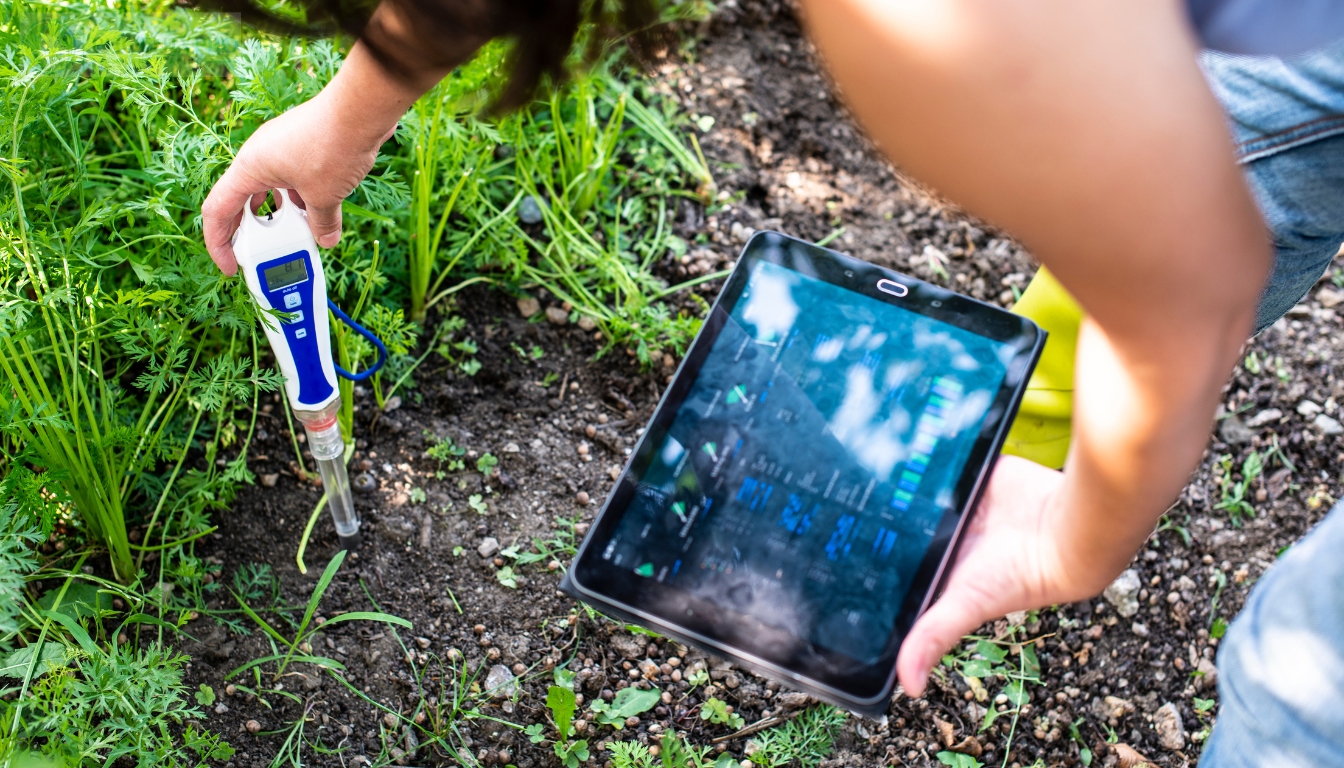
A common mistake many make is skipping soil testing! Understanding pH levels helps choose appropriate fertilizers and amendments tailored to specific needs.
Over-aerating
While it's tempting to go all out on every inch of turf, over-aerating can stress existing plants instead of helping them thrive—stick with once per growing season!
Frequently Asked Questions About Lawn Aeration and Overseeding (FAQs)
1. How often should I aerate my lawn?
- Generally speaking, once a year is sufficient unless conditions indicate otherwise.
2. Can I overseed without aerating first?
- Yes! However, pairing them together maximizes success rates since newly sown seeds benefit greatly from loosened soil structure.
3. What tools do I need to overseed my lawn?
- You’ll need quality grass seed suitable for your climate zone along with either a broadcast spreader or handheld applicator method depending on size preferences!
4. Is overseeding necessary every year?
- Not necessarily—it really depends on how well established your current turf feels! If thinning occurs regularly then yes; repeat as needed!
- It's advisable instead to use starter fertilizers formulated specifically designed towards newly emerged seedlings—they cater perfectly towards their unique requirements during establishment phases rather than adult plants' nutritional needs alone!
6 . Will rain affect new grass seeds after overseeding?
- Heavy rainfall could wash away freshly seeded areas so keep an eye out—but gentle drizzles actually help promote germination & growth cycles efficiently too!
Conclusion: Embrace The Art Of Lawn Care!
By following these expert tips on effective lawn aeration and overseeding outlined here today—you’re well equipped to create not just beautiful landscapes but healthier ecosystems right outside where you live! Remember that while proper techniques pave pathways towards lush greenery—it’s patience coupled with consistent care over time which ultimately leads towards thriving gardens filled with life & vibrancy all around us!
So roll up those sleeves because transforming outdoor spaces isn’t just about aesthetics; it speaks volumes about our commitment towards sustainable practices benefiting both ourselves & nature alike! Happy gardening everyone!